
ARTICLE ARCHIVE
We provide you with in-depth insights into global organic regulations, standards, and certification practices. For those invested in the organic industry, it offers expert analysis on market trends, regulatory updates, and best practices across various regions.
To access the full article, you can subscribe to The Organic Standard in three ways:
1. Annual Subscription – Full access to all issues for a year.
2. Per Issue – Choose specific issues that interest you.
3. Per Article – Access individual articles on demand.
To subscribe, please visit The Organic Standard Subscription Page.

Coffee and Cacao Price Hikes
By: Bo Elzakker
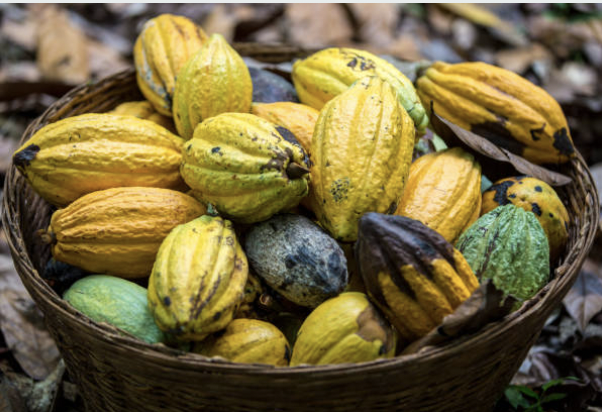
The current price hike is caused by lower production in Ivory Coast and Ghana, in West Africa. 70% of world cocoa production is in West Africa (from Sierra Leone to Cameroon), this is the standard cocoa, known as “bulk” cocoa, used for all kinds of applications beside chocolate bars, such as candies, bonbons, cookies, baking, ice cream, mixed with nuts, dried fruits, etc. Bulk is used mainly for milk chocolate that has 30% cocoa and 70% sugar, milk powder, etc. and is the cheaper chocolate. The cocoa from other countries, such as those of Latin America, have a more distinct, location specific flavour which make it suitable for ‘fine flavour’, sometimes ‘specialty’, single originchocolate bars, with a higher cocoa content, like 70-80% cocoa. Less sugar, no milk powder, a real cocoa taste.
Control of Organic Retailers
By: Isidre Martinez
The current regulations in the European Union, established by Regulation (EU) 2018/848, consider that small retail businesses that only sell packaged organic products present a relatively low risk with regard to non-compliance with organic production standards, and that they should not face disproportionate administrative burdens for the sale of these organic products.
Water Management and True Cost Accounting
By: Robin Fransella
Water Resilience
An area of European Law and sustainability of great relevance to organic operators was discussed in a session on the EU’s Water Resilience Strategy. This was moderated by Sylvia Schmidt, Policy Manager of IFOAM Organics Europe who noted that this is a very politically relevant issue at present. The aim was to look at what exists for water resilience, what may be coming, and how this affects and can be affected by organic operators.
Dr. Sabine van Wiren-Lehr, Director, of van Wiren-Lehr Consulting presented information on the European Union Water Framework Directive[1] (WFD), which covers a variety of directives addressing the ecological status of water bodies.
Issue 196


Digital Innovation Throughout the Organic System
By: Dr. Karyne Rogers, Prof. David Eyers (Otago University, New Zealand), Prof Matthias Galster, Brendan Hoare and Markus Luczak-RoeschIs Europe sealing itself off in the organic sector? - The ECJ is not giving the Commission in Brussels any easy homework
By: Dr. Alexander Beck and Rochus Wallou
Agroecological, Regenerative, and Organic Ecosystem Services (AROES)- an overview
By: Prof. Dr. André Leu
FiBL study on the possible effects of compliance requirements of European Regulation 2018/848.
By: Florentine Meinshausen
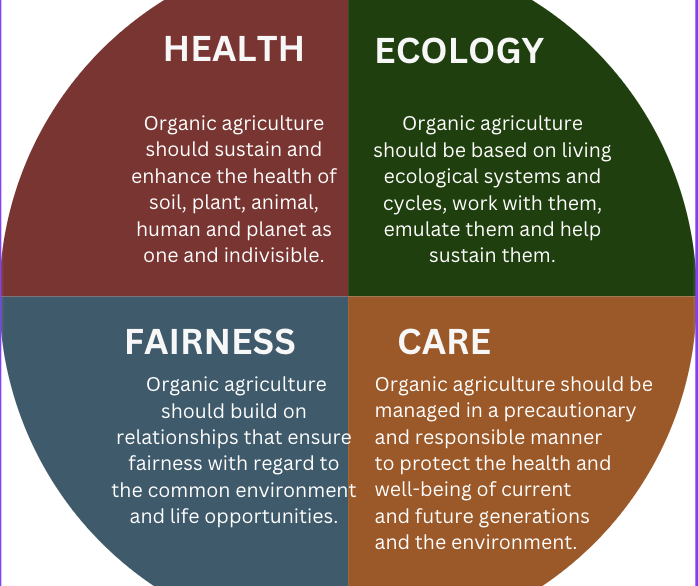
The organic value chain operates within a complex system that is both traditional and innovative, known as the organic systems approach. This approach spans various domains, including geopolitics, culture, and markets, and embodies both simplicity and sophistication. It is both a philosophical and practical approach, leveraging off common cultural attitudes, intelligence and practices that also seeks to demonstrate change and a positive future. The organic movement has leveraged this approach to create a globally recognized “Organic” brand, valued at €135 billion, with 4.5 million producers farming 96 million hectares worldwide. The Organic brand promises a holistic systems approach based on the agreed principles of health, ecology, fairness and care.
The organic sector has been a leader in developing technologically innovative assurance systems that emphasize truth, trust, and authenticity.
The initial situation: More than ten years of wrangling over “organic”. The subject of the legal dispute is a mixture of organic fruit juices and organic herbal extracts, supplemented with vitamins and trace elements, which is marketed as a food supplement.
The labeling of this product in accordance with the “old” organic regulation (Regulation (EC) 834/2007 – Regulation (EC) 889/2008)) was first prohibited to the company by the Bavarian competent authority on January 18, 2012. The company took legal action against this decision. The Bavarian Administrative Court (BayVGH) seized of the matter then referred the question of whether the restrictive interpretation of organic law in relation to the supplementation of organic food is legally compliant to the ECJ.
The first attempts to develop regenerative standards and certification systems faded due to the difficulties of creating consensus. The ones that succeeded are niches based on the unproven belief that regenerative products have a market premium, similar to organic products. Some of these labels will be avoided by consumers when they realize they permit pesticides and fertilizers, negating any market premiums and reducing sales volumes.
Regenerative farmers are not rushing to join them, as our extensive worldwide discussions show that most oppose certification. Many who take on these regenerative certifications will drop out after a few years of paying for certification costs in both time and money, with no financial benefits. This is why the majority of new ‘eco’ certification schemes fail.
When the EU Commission presented its proposals for a new EU organic regulation, it also wanted to change the rules for organic imports from third countries.
Its aim was to create a level playing field for everyone and ensure that imported goods contain produce that is100 percent in line with EU organic regulations – just as consumers and farmers expect. It therefore replaced the equivalence principle of the old EU Organic Regulation 834/2007 with the conformity principle.
This means that organic producers from third countries are no longer able to comply with the EU rules (that are strict requirements for European producers) in a way that can be argued as equivalent; they must literally conform to the European Regulation. The exception will be where the third country has concluded a trade agreement for organic products or is recognised as “equivalent”.
Issue 195
THE REGENERATIVE AGRICULTURE MOVEMENT- AN OVERVIEW
A Vade mecum on official investigation in organic products
THE AOI ORGANIC INTEGRITY MAPPING SURVEY
THE FUTURE OF ORGANICS
Regenerative agriculture is a term that seems to express the current zeitgeist in alternative agriculture for many farmers. In Australia it has largely replaced the recently popular term biological agriculture, which described an approach aligned to organic, but falling short of certification standards. What is regenerative agriculture and how is it different from organic?
Regeneration International believes that rather than wasting decades trying to resolve the numerous inconsistencies and contradictions in standards, a more productive approach is determining if practices and inputs are regenerative or degenerative.
IFOAM-Organics International’s Four Principles of Organic Agriculture are the best criteria for determining this. There is no need for the types of more complex principles and systems proposed by agroecology. These four principles cover everything and are easy to use.
During the development of the new EU Organic Regulation, the issue of non-authorised substances, particularly pesticides, in organic products was a major concern. If such substances are discovered, an official investigation must be carried out to identify the source and determine the cause of contamination. A product can only be labeled and sold as organic if no non-compliances affecting the integrity of the product are found. A useful guide: “Vade mecum on official investigation in organic products” has recently been published to assist in conducting effective and efficient official investigations. This document guides investigation methods and techniques.
Over the course of 2024, the Alliance for Organic Integrity has been conducting a survey to map the work going on to uphold organic integrity worldwide. The aims of this research, were to: 1. Identify organizations and/or initiatives across the globe working to improve the integrity of organic control, using the five key strategic areas of AOI’s work: Harmonization, Forensic Tools, Building Competence, Combatting Fraud, Communication; 2. Share the results of this research with the global organic control community, as a source of information and to stimulate discussion and collaboration more broadly.
Here we ask whether we need to evolve or expand organic standards to include other social justice concepts such as human rights and labor, equity, indigenous sovereignty, and/or public health? Is organics more than just health and the environment? How do we do so?
ABeck: In the last decades we have more and more focused organic purely as an agricultural project. We need to overcome this because of different reasons. First of all we need to come back to a “organic food system” approach. This includes the perspective of health for earth and humans and fairness for everybody along the food chain.
Issue 194
THE FUTURE OF ORGANIC AGRICULTURE
Making Better Inspectors and Making Inspectors Better
EU PACKING AND PACKAGING WASTE REGULATION
EUDR REQUIREMENTS AS ADD-ON TO ORGANIC CERTIFICATION
More than a century has passed since the concept of organic farming first emerged in Europe, and was developed by pioneers JI Rodale, Sir Albert Howard, Lady Eve Balfour, and Rudolf Steiner. The common thread was an opposition to intensive farming, because of its environmental and health impacts, and a return to healthy soil. Pioneers and experts weigh in on the organic farming industry, organic integrity, and what it means for farmers, policymakers, and consumers.
The International Organic Inspectors Association (IOIA) was founded 32 years ago to serve the need for high-quality organic inspection services as the organic industry expanded globally. The professional organization of inspectors was designed to set competencies for organic inspectors and provide comprehensive training to ensure the integrity of organic certification processes. It is still recognized as the premiere organic inspector training organization.
The Regulation as drawn up, should come into effect in 2025 and over time will introduce requirements that ban some uses, introduce re-use requirements, cover bulk transport between sites, and require that most packaging must be recyclable between 2030-2035. A point of note is that the move from Directive to Regulation means that (among other things) the new Packaging and Packaging Waste requirements will now require direct compliance by Companies rather than the Member State being responsible. All goods are covered by this regulation, but in the field of fresh produce it will have a noticeable effect on organic businesses.
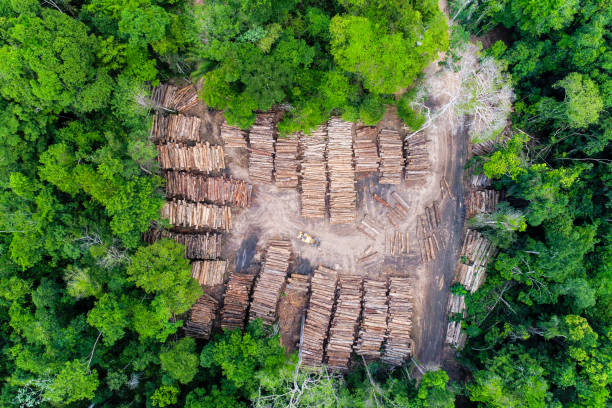
Following the introduction of the EU Regulation on Deforestation (EUDR) in TOS 193 the TOS Editorial Committee received the question of what it means for certified organic operators producing or trading in EUDR commodities, particularly whether their organic certification means that they are compliant with EUDR. The answer is no, but organic certification is already very helpful. When operators add compliance with the EUDR requirements in their information system, when certifiers do some additional EUDR specific auditing, it will greatly assist in the exporters and importers making their EUDR Due Diligence Statements.
Issue 193

PROTECTING ORGANIC INTEGRITY:
The Point on the Horizon
COMPLIANCE RATHER THAN EQUIVALENCE
THE LANDSCAPE OF AUSTRALIAN STANDARDS AND CERTIFICATION
DUE DILIGENCE AND THE DEFORESTATION REGULATION
Let’s take the hypothesis that increased cooperation and a deeper integration of QA instruments between control institutions and companies improves organic integrity. How could that increased cooperation work in practice? We think there are 4 cornerstones:
1.Change of mindset; 2. Enforce responsibility; 3. Employ competence of operators; and 4.Better perception of risks
Let’s explore them.
The European Union (EU) introduced the Organic Regulation (EU) 2018/848 in January 2021. This includes provisions that affect plant protection product (PPP) use in organic agriculture. Uses of PPPs in third countries (including microorganisms, viruses and plant extracts) must align with EU approvals and conditions of use, at the latest by 1st January 2025. For any existing substances or uses in third countries where there is no EU approval, an application must be made following a prescribed process.
Six organic and biodynamic standards are in use in Australia. The National Association for Sustainable Agriculture, Australia Ltd. (NASAA) produced the first widely used organic standard in the southern hemisphere in March 1987, after a short-lived attempt by the Organic Food Movement, an offshoot of the Soil Association of South Australia, in the 1970’s. The NASAA Organic and Biodynamic Standard is a private standard that was last revised in 2016 and is due to be replaced in 2024 by the NASAA Organic Regenerative Standard.
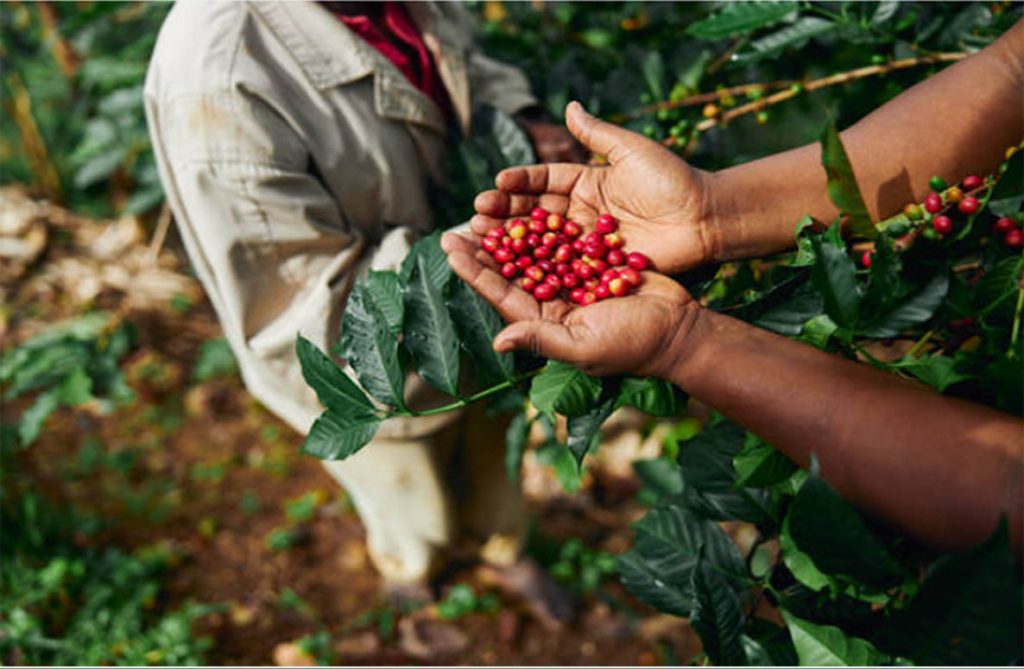
With the advent of the Deforestation Regulation’s approach of requiring that, from the end of this year, operators use and show due diligence in sourcing non-deforested products of “cattle, cocoa, coffee, oil palm, rubber, soy and wood” the question arises as to just what that due diligence will look like…A Due Diligence Statement must be provided by the organic operator, this is obtained through an EU information system, including a specific reference number, and declaring that the various due diligence measures have been undertaken.

COUNTRY FOCUS: India
UK-EU TRADE AFTER BREXIT
NEW GENOMIC TECHNIQUES: SHOULD WE BE WORRIED?
COMBATTING FRAUD IN THE EU AND US REGULATIONS
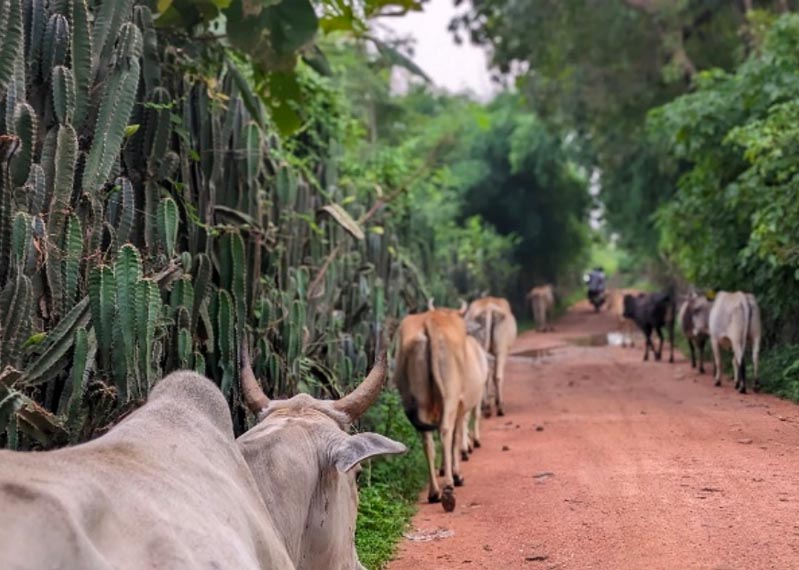
India, a historically agrarian country, plays a significant role in global agricultural exports, with a substantial portion of its workforce engaged in agriculture. The country’s adoption of the Green Revolution marked a significant shift towards agricultural modernization, albeit with ecological commitments. This article delves into India’s organic certification, its evolution, and the impact of recent EU and USDA NOP regulatory updates on the Indian organic sector.
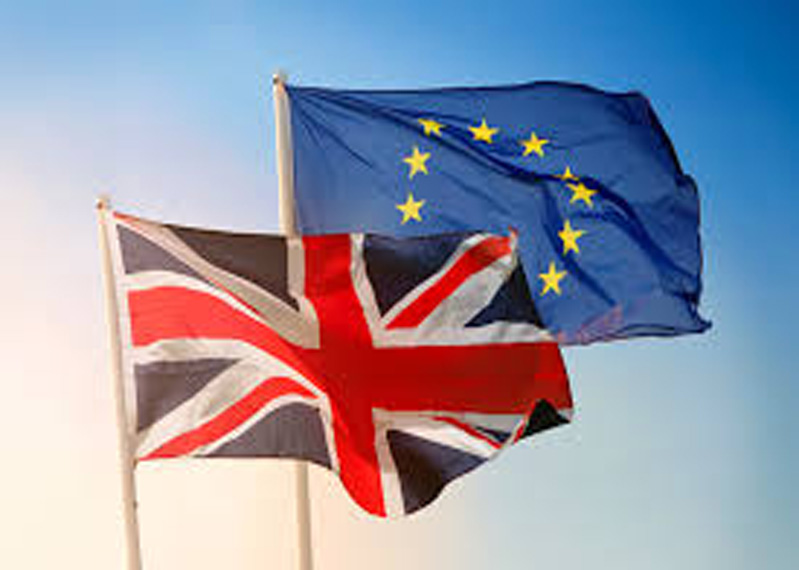
Following the departure of the UK from the EU at the end of 2020, the UK organic market has seen several
challenges and impacts, which have been ongoing and evolving. For many UK businesses, changes in tariffs and customs procedures have been the primary challenge with subsequent disruptions affecting the timely transport of organic goods in the initial post-Brexit days and months.
Around the globe, different countries are reviewing their regulatory requirements for the use of New Genomic Techniques (NGT’s), also known as gene-editing (GE). Although still regarded as genetic modification, some countries have started to distinguish these NGTs from other regulated forms of genetic modification, de-regulating products produced in those ways. Countries that have already taken those steps include the USA, Australia, Canada and now England.
As well as the general legislation sessions reported on in this edition of The Organic Standard the advent of the Strengthening Organic Enforcement Act in the US was, of course, a point of great interest as having direct effect on organic operators. There were several sessions addressing these two Regulations and how they will work together, your correspondent was only able to attend this one, and should declare an interest as the session was organised by the Alliance for Organic Integrity for which he is the Organic Observatory Program Manager.


